
Tangible Work
The Field Review: TFR-098
THE LEDE
A Weekly Column On Living Well
Most of my professional work lives somewhere between thought and execution.
As an integrated brand strategist, my job is to help corporate health and wellness organizations better understand their audience.
Most days, I like the work. I like the cultural analysis and the psychology behind it. I like figuring out why people do what they do, what they believe, what they ignore, what they need to hear, and how a brand might fit into that journey.
Still, most of my work lives upstream in the theoretical realm.
My daily deliverables usually consist of some variety of presentation deck. A brief. A strategic recommendation. A messaging platform. A set of slides that often take weeks to think through and a few minutes to attach to an email. Some of it gets executed. Most of it disappears into the corporate fog where even the best work goes off to be “revisited later.”
That’s the part that gets to me.
That my work can be valuable and still feel weightless. That I can put real thinking into a strong recommendation and watch it stall out because the timing was wrong, the budget shifted, or the organization simply moved on to the next urgent thing.
After enough of these cycles, it becomes necessary to pursue a different outcome. The need arises to make something that exists outside my computer screen. Something tangible. Something with real world utility.
This week, that something just happened to be a leather headcover for my fairway wood.
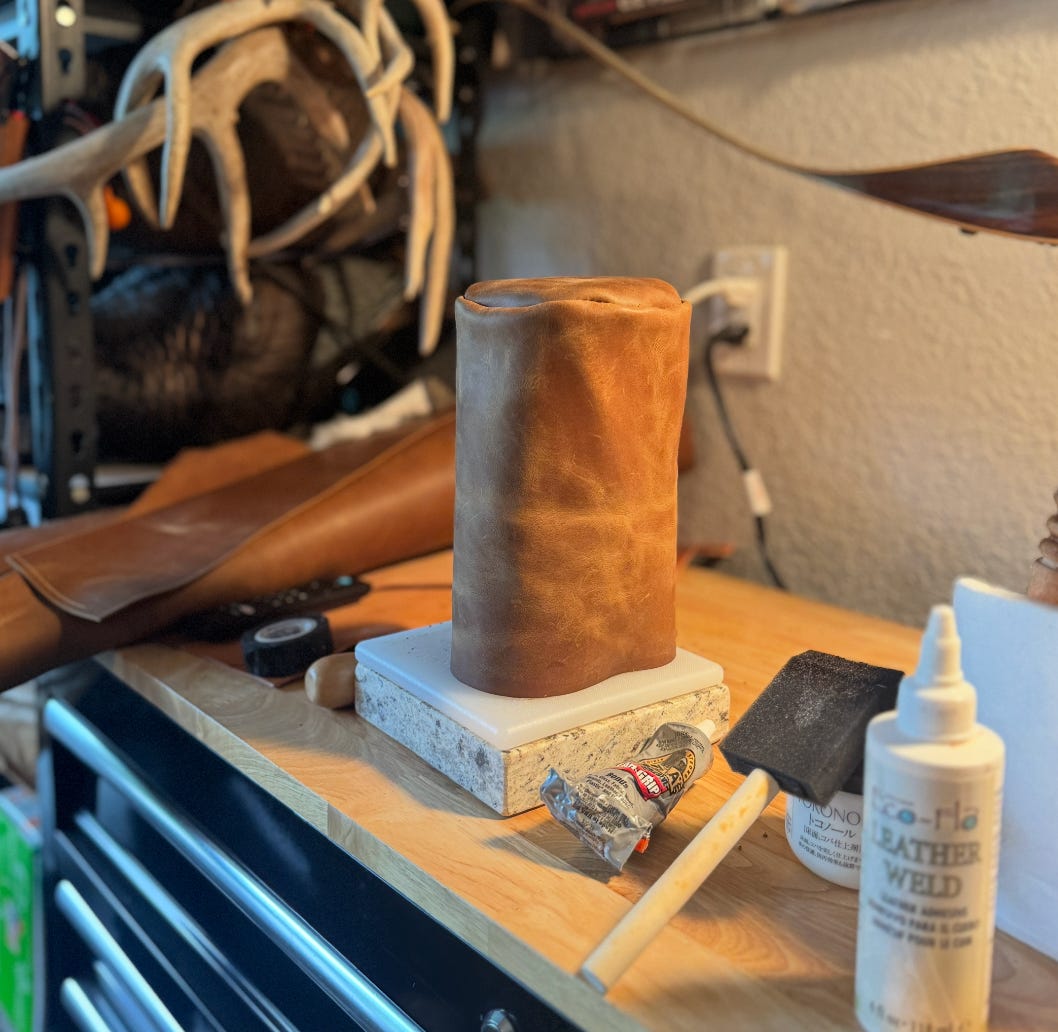
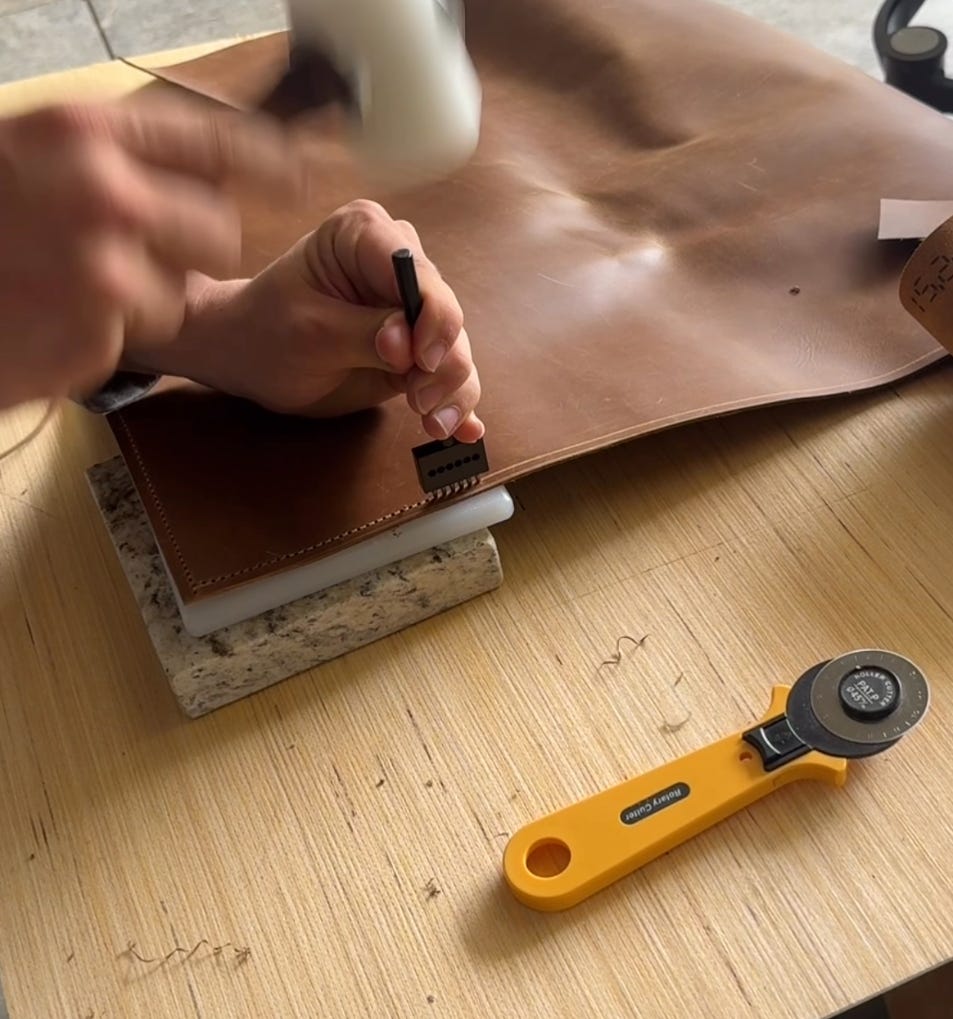
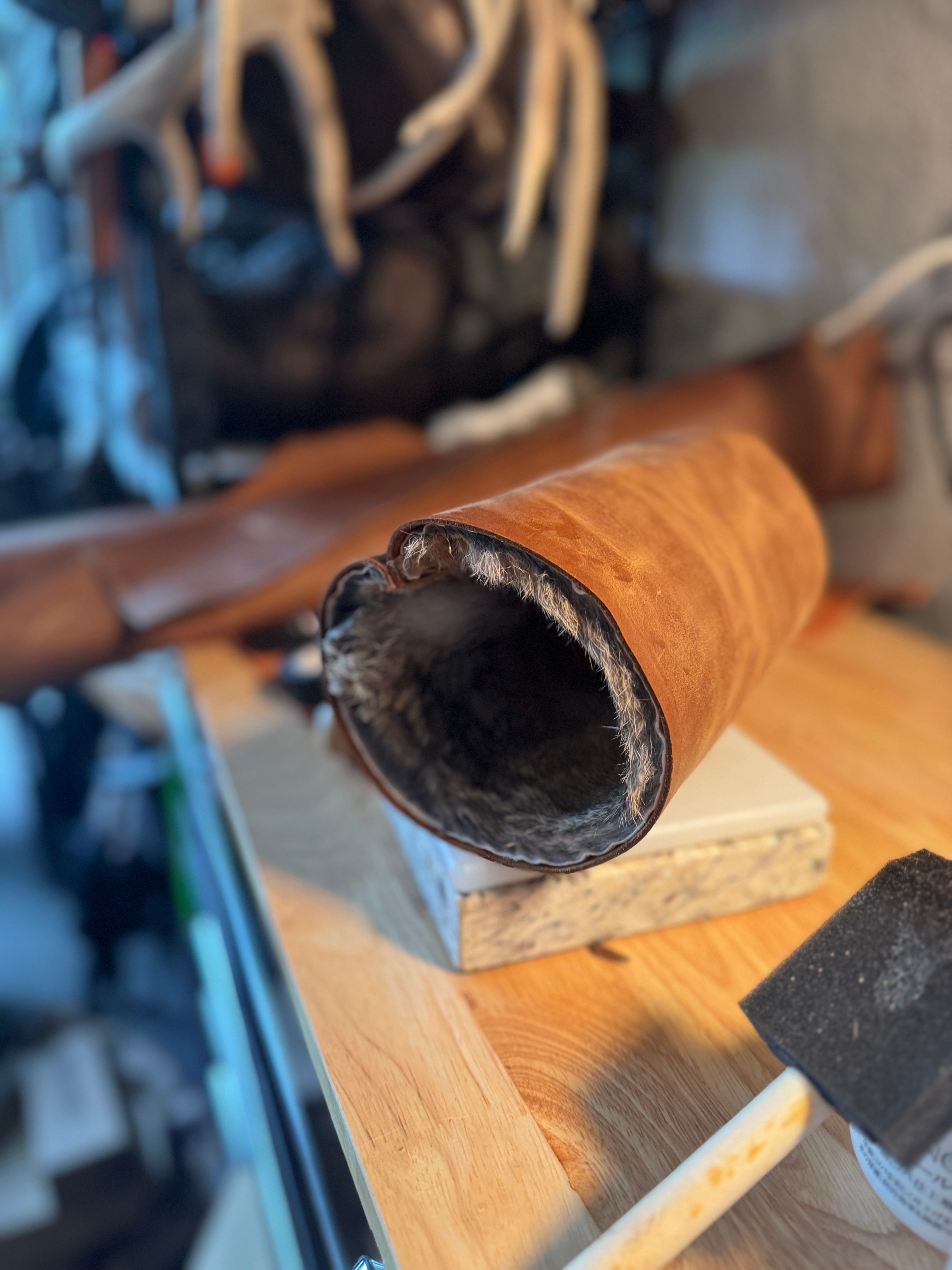
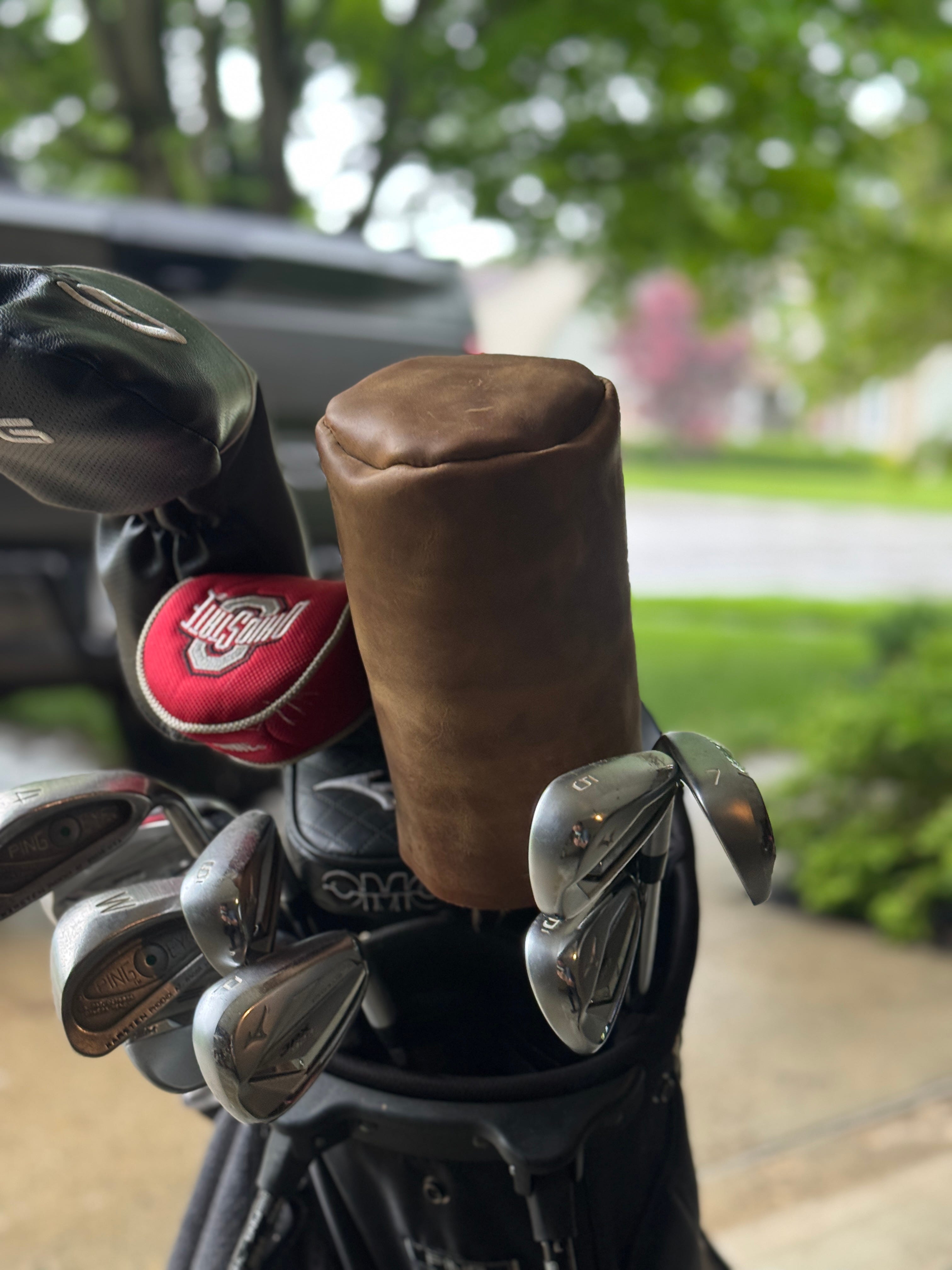
I dusted off some old tools and a leftover Veg Tan side from a short-lived leather craft phase I went through a few years back. I didn’t follow a pattern. I just started cutting, shaping, punching, and stitching until the idea in my head became something I could hold.
It came out better than I expected. The lines weren’t perfect. The stitching had a few spots that would probably make an actual leatherworker wince. But it fit. It held. It looked like something made by a person for a specific purpose.
More than anything, it helped to burn off some of that aforementioned fog.
There is a numbing mentality that comes from living too long in the abstract world. A state of too many screens and too many open tabs. Too many partial conversations and unresolvable decisions. Everything stays fluid, editable, debatable. Nothing feels fully finished because it can always be revised one more time.
Working with your hands on something even for just a few hours can break that spell pretty quickly.
Tangible work forces attention into the present. It gives you immediate feedback. The cut is either straight or it isn’t. The stitch holds or it doesn’t. The pieces either fit or they don’t. There is no narrative to build around it, no meeting to explain it, no strategic rationale to soften the edges. The work tells the truth.
I have been thinking about that more as AI keeps moving into the white-collar world I find myself in. A lot of the work many of us do for a living involves writing, summarizing, organizing, presenting, and explaining. AI is rapidly changing how that work gets done. Some of it will get faster. Some of it will get cheaper. Some of it will become less dependent on people like me spending hours staring at a screen trying to turn messy inputs into clean strategic direction.
I’m not panicking about that evolution. But I’m also not pretending it isn’t real.
I know that the era of professional work my son will inherit will treat knowledge and synthesis differently than the one I find myself in now. The clean, computer-based jobs that have been seen as the “safe path” for decades may not feel as safe in the coming years.
The ability to move information around will still matter, but that ability will likely not be enough on its own. This is why I think the ability to make things with your hands is going to matter more, not less, in the years ahead.
A table. A meal. A farm. An engine. A home. A road. A leather headcover. A clean floor. The size of the thing made matters less than the act itself. As the world seemingly gets more artificial, physical competence can keep you grounded to what’s real.
If everyone can generate more words, more ideas, more drafts, more versions, more options, then “making more” won’t make the difference it used to. The future of work will put a higher premium on judgment. Taste. Direction. Knowing what matters. Knowing what should be ignored. Knowing how an idea becomes useful once it leaves the screen and meets the actual world.
That’s where working with your hands has value, even if it has nothing to do with your job.
Hands on work provides psychological insulation.
It won’t protect you from change, but it can protect you from becoming too dependent on the abstract. Protection from forgetting that your value is not limited to what you can type, present, send, or optimize.
Hands on work serves as a stark reminder that your value is not limited to the work you do on a screen. That you can still learn a material, solve a problem, fix a mistake, and make something useful with your own hands.
Because no matter how much AI disrupts, abstracts, accelerates, or automates, a person who can still make something tangible with their hands will always have a place in this world.
Live Well. Tell No One.
THE MARGIN
A Few Things That Grabbed My Attention This Week
Huckberry Homes: JT Van Zandt
Huckberry’s latest edition of Huckberry Homes heads to Rockport, Texas, to spend time with fly-fishing guide JT Van Zandt and look inside a home built around order, utility, and obsession in the best sense.
I like this series for the same reason I like seeing a good workshop, mudroom, garage, or office tour. You can learn a lot about a person by how they build their sanctuary.
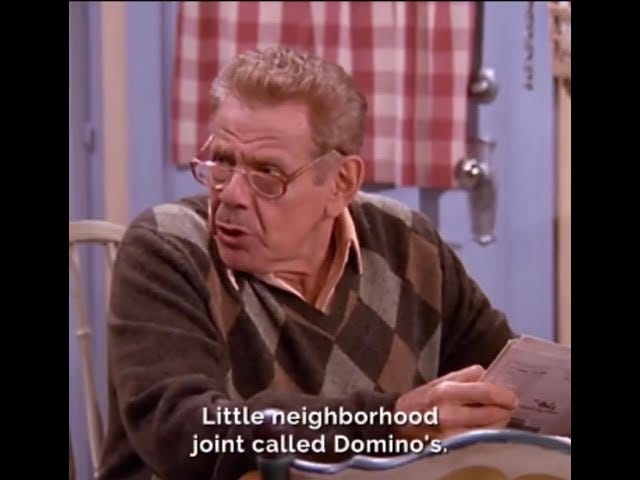
Middle Class Pizza from The Old Ghosts
This superb piece from The Old Ghosts landed in my inbox this week. Eric Twardzik argues that like the rest of America, the middle class is disappearing from pizza, squeezed out by precious artisanal pies on the other.
I loved this because I’ve been an active enemy of overpriced, undertaste “fancy” pizza for years. I’m a cheap pizza guy. Always have been. Always will be. I prefer to support local family-owned pizza shops, but I’m also not above a Domino’s or Papa John’s pie. Not everything has to be elevated, especially not pizza.
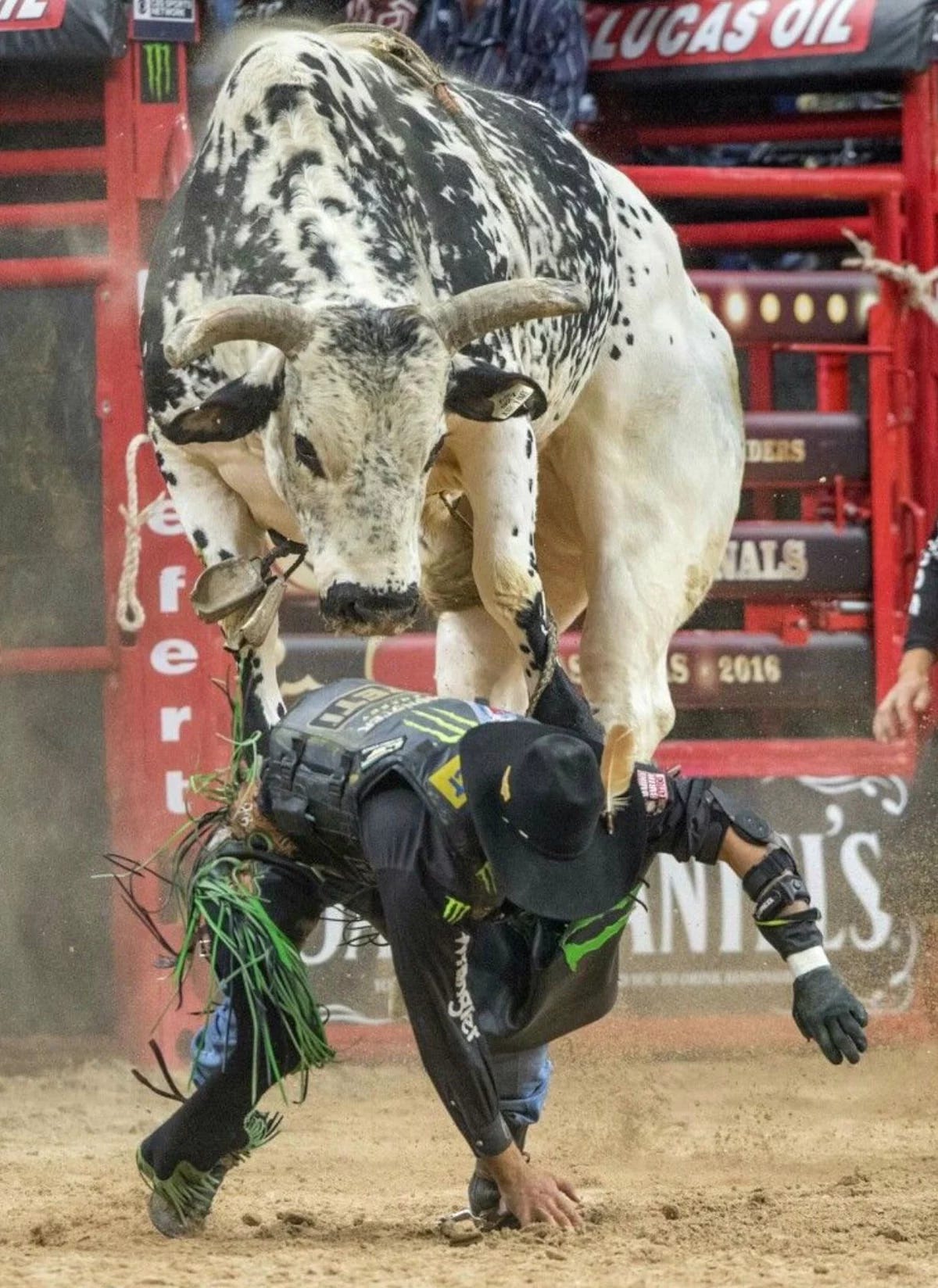
YETI Presents | Bloodlines: Bucktown
I didn’t grow up watching bull riding or rodeo, but even I know who JB Mauney is. YETI’s Bloodlines: Bucktown takes viewers inside Bucktown, the bull-riding ground built by two-time world champion JB Mauney and co-founder Randy Quartieri. Bucktown is a mecca built for bull riders, by bull riders.
Old school cowboy culture in the face of the modern world.
STANDARDS
Concepts & Vibes For Your Consideration
The Field Review is a weekly newsletter exploring the art of living well.
Every Sunday at 10AM EST, I share ideas, insights, and conversations that help break through the noise, offering a real look at how we can all keep moving forward.
Venture Onward,
Jack
Would love to hear more from you, the reader. What’s on your mind, where you’re headed, what you want to see next from me, the writer. Drop a comment below.
My youngest and I are at are our farm this week doing electrical work, carefully and correctly. This resonates deeply. Thanks Jack!
Putting words to the undertone the western world has yet to come to grips with. Well said Jack